When most people think of gardening, they think of summer. Why? Because gardening stops when the cold winter arrives, right?
Wrong!
Did you know that you can still grow vegetables in the cold months? In fact, many veggies actually taste better after frost.
I know what you’re thinking: Well, what vegetables can I grow in the winter?
In this guide, we’ll look at:
- The best winter vegetables to grow
- Growing methods to try
- Regional considerations
Let’s dive in!
What Vegetables Can I Grow in the Winter?
There are quite a few crops you can grow in the cold months, from hardy greens to root vegetables.
The ones you can grow will depend on your zone and local climate.
We’ve grouped the most popular crops together based on their cold hardiness to make your life easier.
Super Cold-Hardy Vegetables (Survive temps below 20°F) – Best for Zones 3-4
These crops can withstand the low temperatures of zones 3-4.

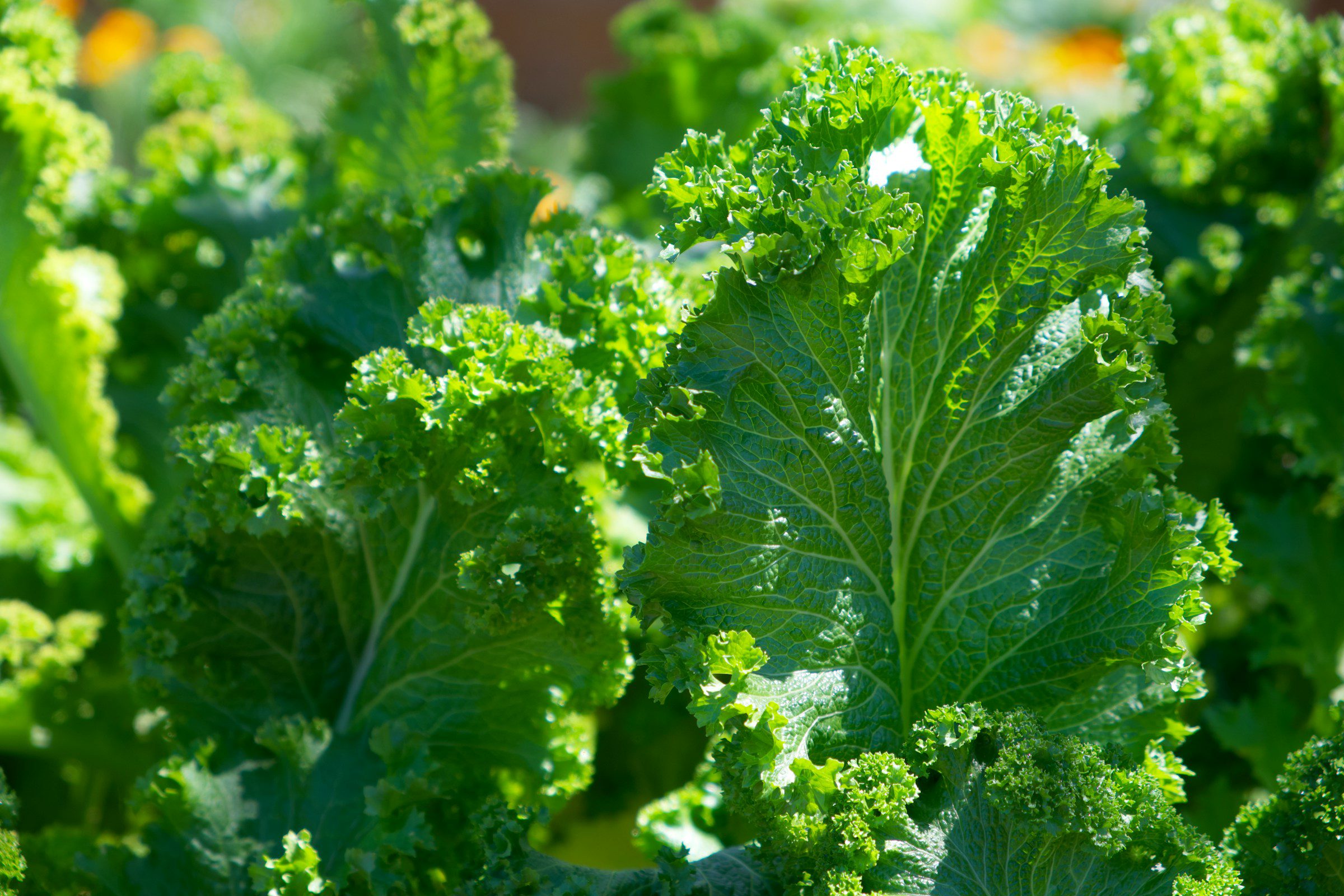
Kale
Kale’s flavor improves with frost, and many varieties can survive seriously cold temperatures. Your best options are:
- Winterbor
- Red Russian
- Vates
- Dwarf Russian
Kale can be harvested all winter long, but its growth slows once the days get shorter (usually around November).
Days to maturity: 70-80 days from seed; 55-60 days from transplants
When to plant: 6-8 weeks before your first expected frost date (typically late summer or early fall)
Spinach
Most people don’t realize that spinach is very cold-tolerant. Some varieties can even survive below zero temps.
Some of the top varieties include:
- Giant winter
- Winter bloomsdale
- Bloomsdale longstanding
Days to maturity: 40-55 days; baby leaves can be harvested as early as 30-35 days
When to plant: 6-8 weeks before your first expected frost date (typically late summer or early fall)

Mache
Mache greens are a cold-weather salad similar to Tatsoi (an Asian variety of Brassica). They’re often called “corn salad greens” because they’re traditionally planted after the corn harvest.
It’s one of the most cold-hardy greens you can grow.
Some of the best varieties to plant are:
- Vit
- Bistro
- Large seeded Dutch
- Varte de Cambrai
- New York Hardy Mache
Days to maturity: 40-90 days, depending on variety
When to plant: Late summer or early fall
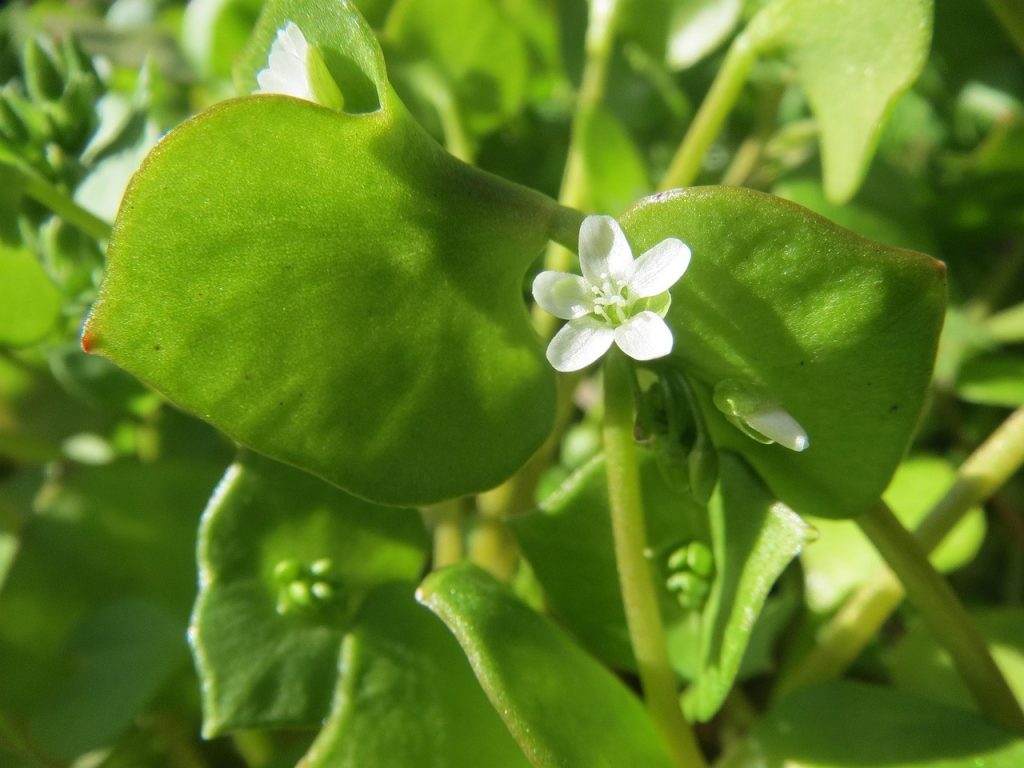
Claytonia
Also known as “miner’s lettuce” because miners used to eat it as salad greens. All parts of the plant are edible, including the blossoms and stems.
It’s a fleshy, herbaceous plant that can withstand cold temperatures.
Days to maturity: 40 days
When to plant: 4-6 weeks before the first frost date
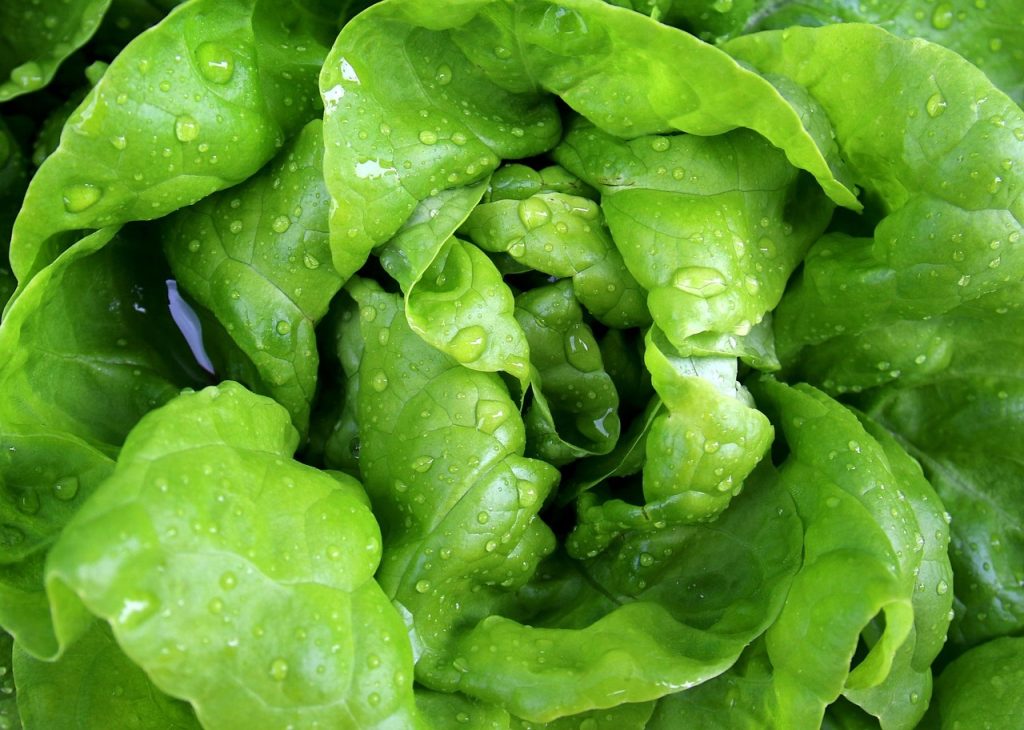
Winter Density Lettuce
Winter density lettuce is a sweeter variety of romaine with narrower and more delicate leaves. It’s both heat and frost tolerant, making it a great choice for the winter garden.
Days to maturity: 44 days
When to plant: Sow seeds in late summer to early autumn (about 8 weeks before the first frost)
Cold-Hardy (Survive 20-32°F) – Zones 5-10
These crops can withstand temps as low as 20°F, which makes them ideal for zones 5-7 (and 8-10, naturally).
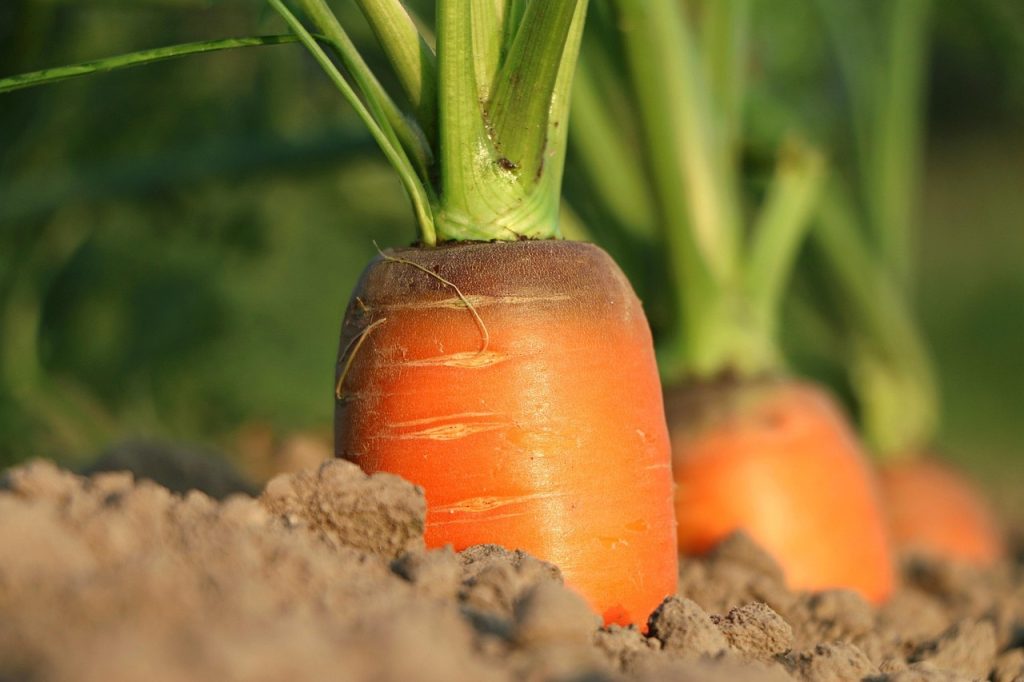
Carrots
Did you know that frost can make carrots even sweeter? With the right variety and plan, you can grow this beloved vegetable well into December.
Some of the best varieties to plant include:
- Napoli
- Aranka
- Yaya
- Mokum
Days to maturity: 60-80 days
When to plant: 60 days before the first frost
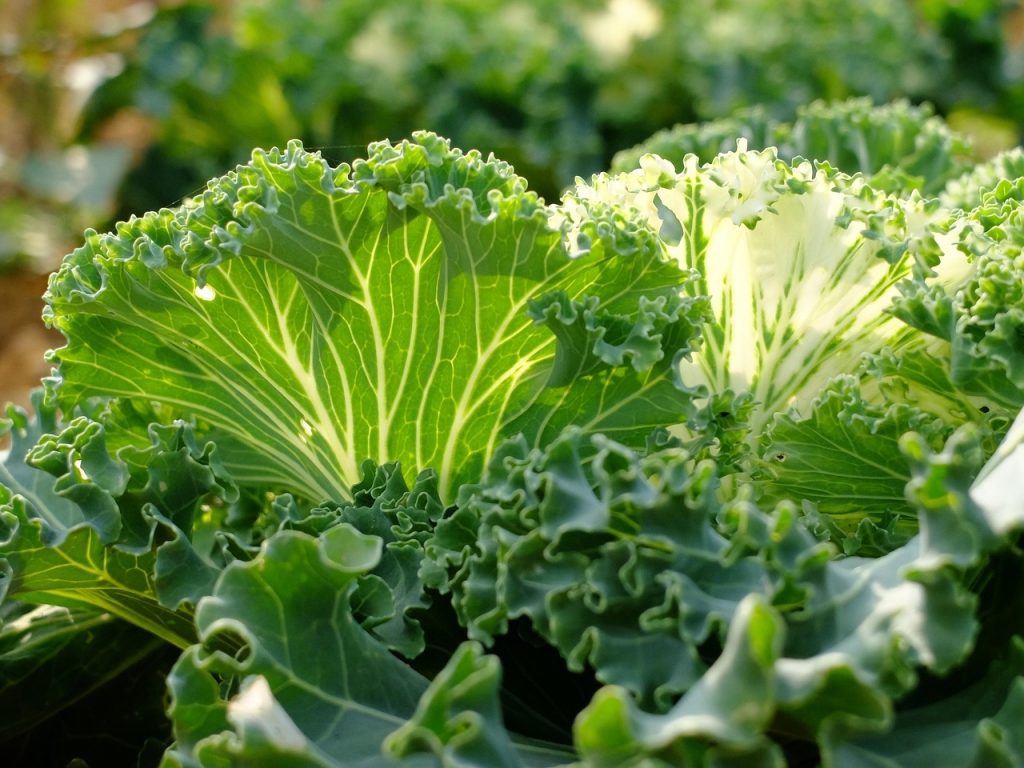
Collard Greens
Collard greens are a great addition to any fall or winter garden. Colder weather improves the flavor, and they’re easy to grow.
Try these varieties:
- Champion
- Georgia Southern
- Vates
Days to maturity: 60-80 days
When to plant: At least 10 weeks before the first expected frost
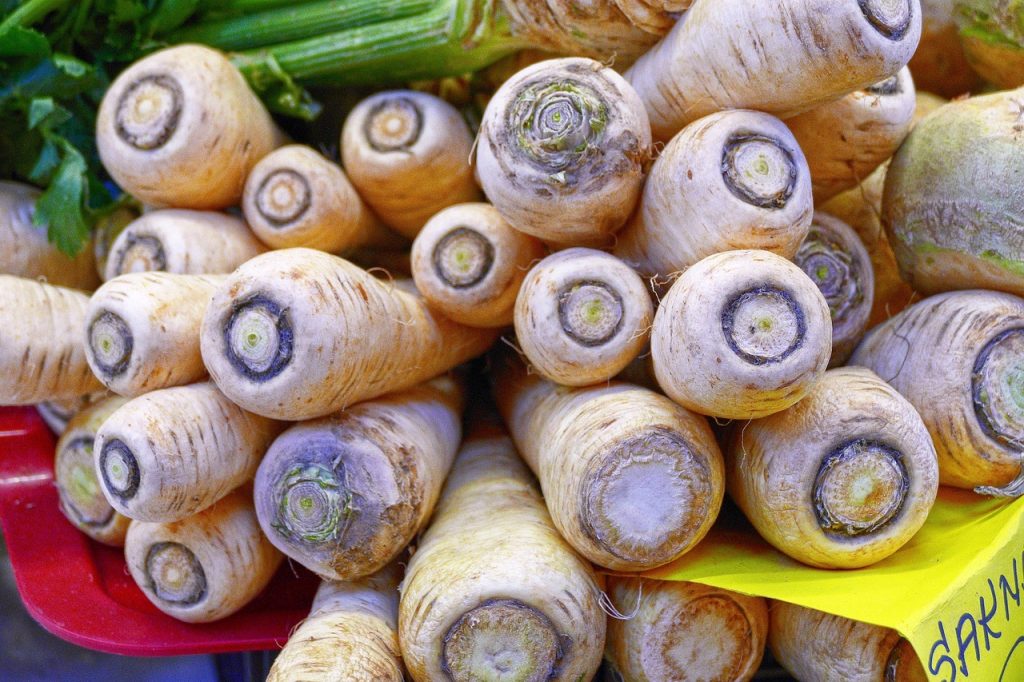
Parsnips
Parsnips need a long growing season, and their flavor is even sweeter if harvested after a few frosts.
Some of the best varieties to plant include:
- Gladiator F1
- Javelin F1
- Hollow Crown
- Tender and True
Days to maturity: 100-120 days from seeding (best harvested after a few fall frosts)
When to plant: 2-4 weeks before the last frost
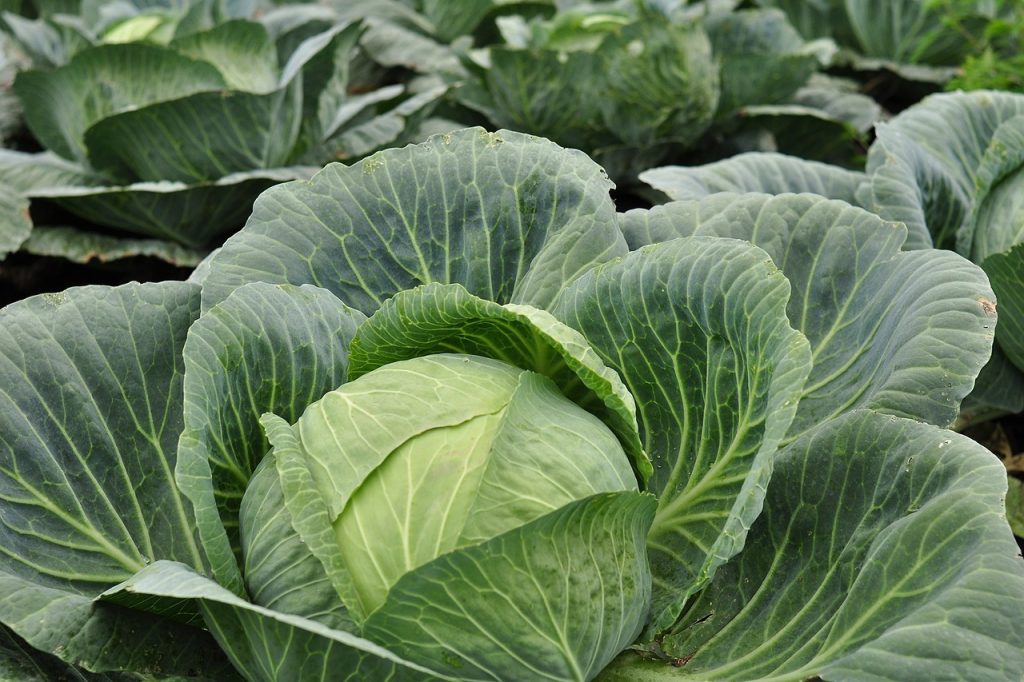
Cabbage
Cabbage is very frost-tolerant and can survive temperatures below zero in some cases.
Here are some of the best varieties to plant for a winter harvest:
- January King
- Brunswick
- Late Flat Dutch
Days to maturity: 60-100 days
When to plant: Late summer to early fall
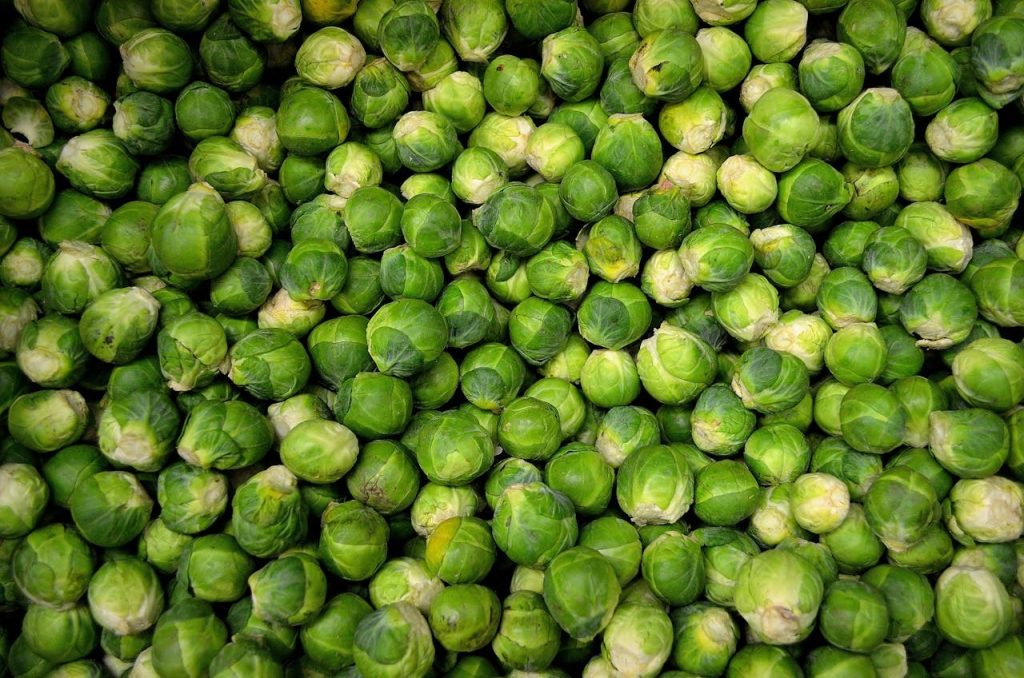
Brussels Sprouts
Brussels sprouts need a long and cool growing season, so they’re best planted around July or August for a winter harvest. If you live in a colder region, you may be able to plant a little earlier, as long as they don’t mature during hot weather.
Try planting these varieties:
- Igor
- Nautic
- Jade Cross
- Hestia Hybrid
- Falstaff
- Red Bull
Days to maturity: 80-130 days
When to plant: Mid-to-late summer
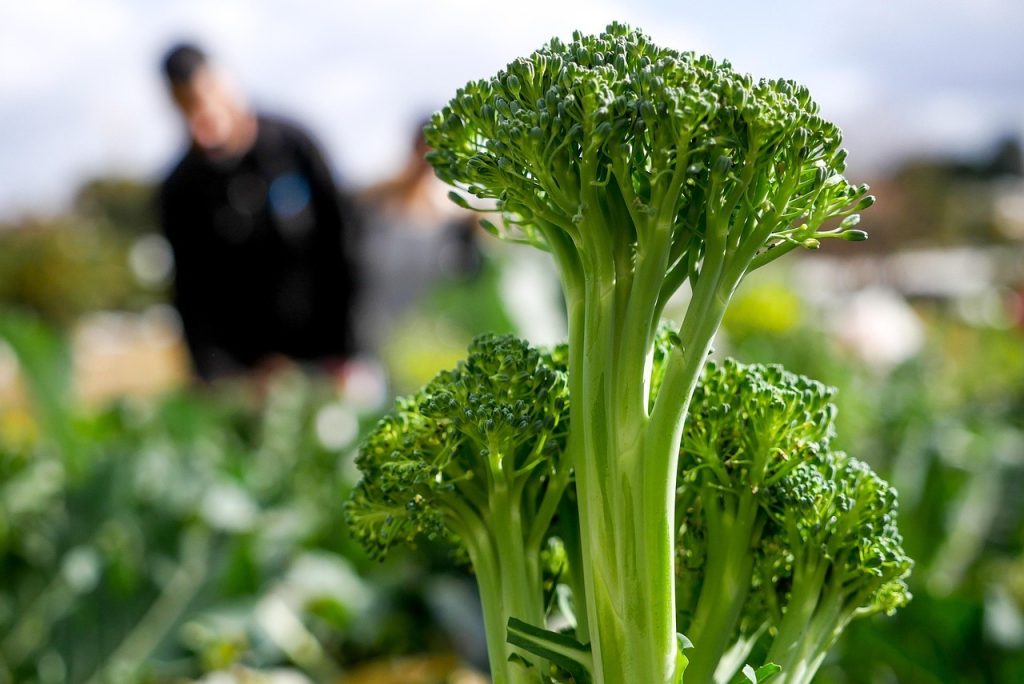
Broccoli
Broccoli is a surprisingly tough crop that can withstand light frosts (and even a few moderate ones).
Try planting these varieties:
- Marathon
- Romanesco
- Waltham 29
- Purple Sprouting Broccoli
- Belstar
Days to maturity: 50-100 days
When to plant: Late summer or early fall (between July and September)
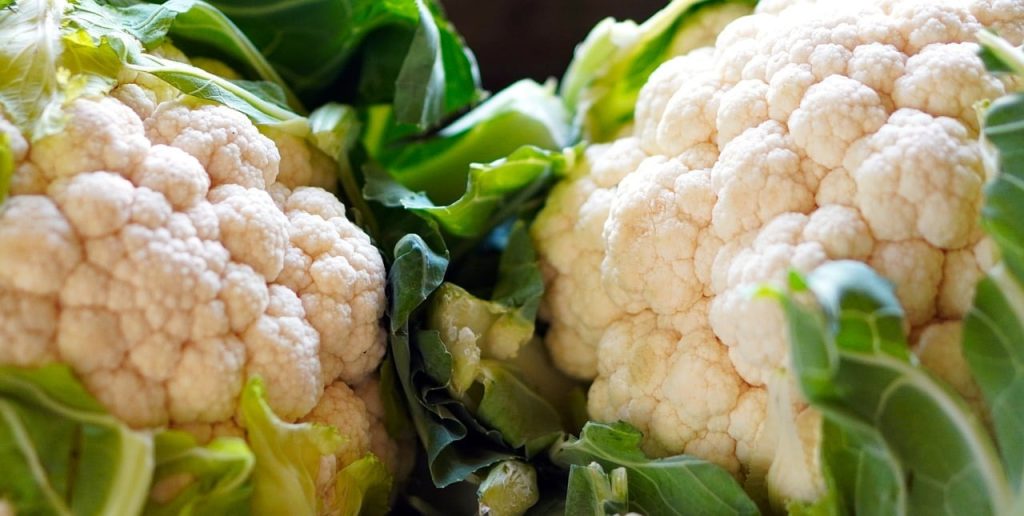
Cauliflower
Cauliflower is another cool-weather crop that can be grown in milder climates or even in harsher climates if properly protected.
Popular varieties include:
- Prestige
- Medaillon F1
- Walcheren Winter
Days to maturity: 50-100 days
When to plant: Transplant seedlings in August or September
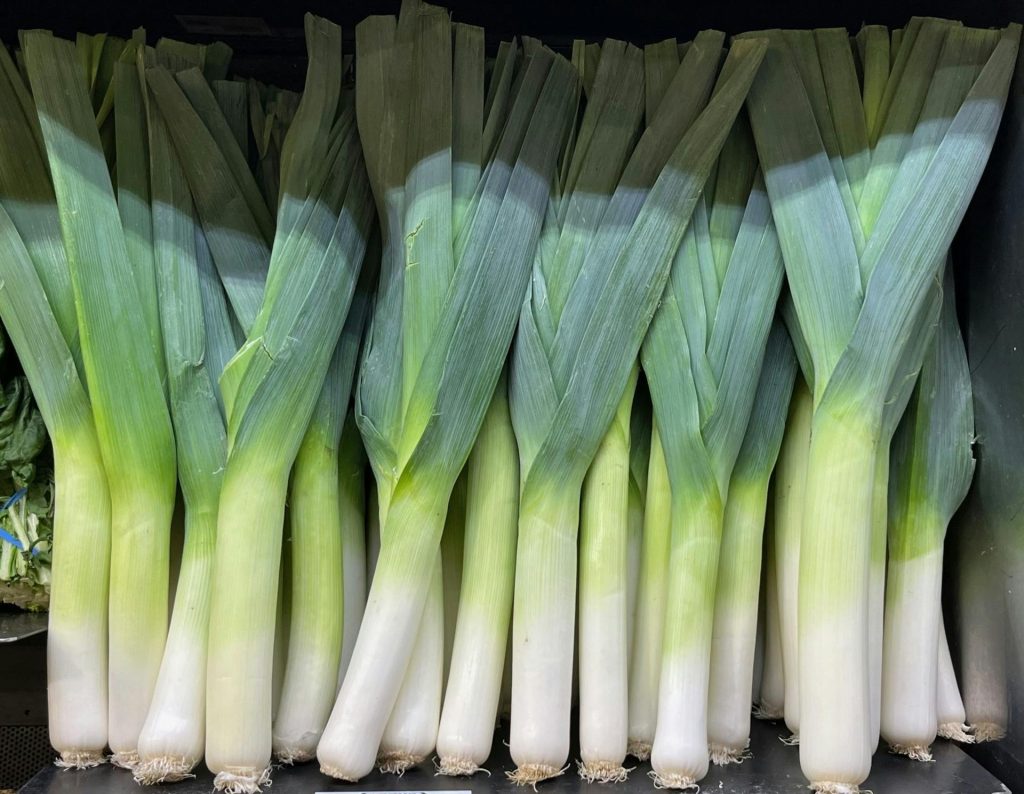
Leeks
Like many other plants on this list, leeks need a long growing season. They’re a cool-season crop, so transplants are often started as early as February.
Some of the best varieties for a winter harvest are:
- Giant Musselburgh
- Blue Solaise
- American Flag
- Bandit
Days to maturity: 120-150 days
When to plant: Late summer to early autumn
Moderately Cold-Tolerant (Needs Some Protection) – Zones 5-10
If you can provide some protection for your crops, your options for winter garden vegetables expand greatly.
Here are some of our favorite winter vegetables to grow during this time of year with some protection.
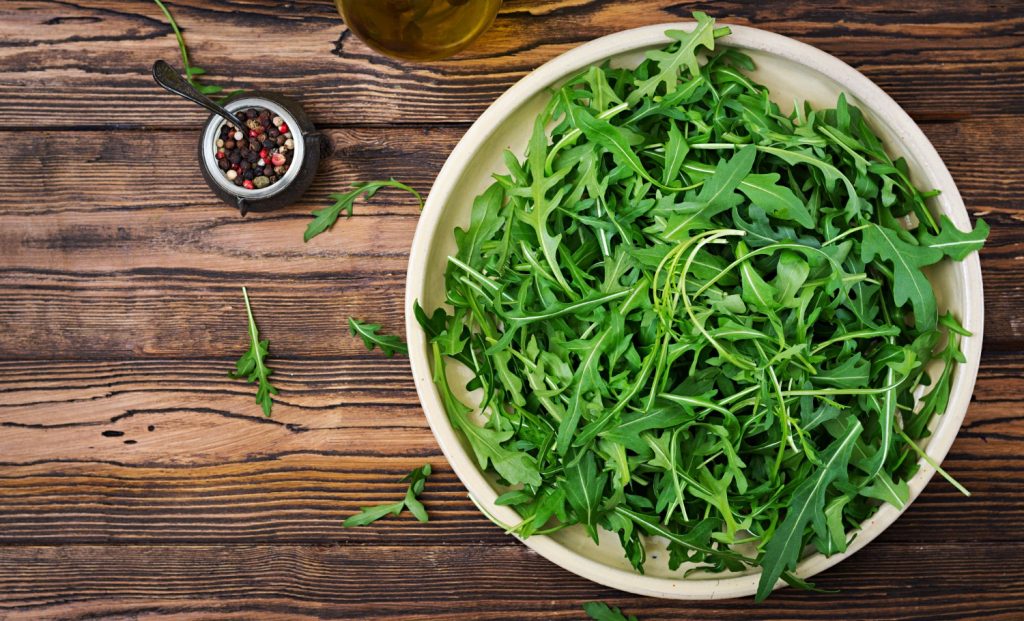
Arugula
Arugula prefers cooler weather, and quite a few varieties are cold-hardy.
Some of the best ones to plant are:
- Astro
- Ice-bred
- Rucola
- Sylvetta
The Ice-bred variety is especially cold-hardy and vigorous, making it perfect for a protected winter garden.
Days to maturity: 3-4 weeks for baby greens; 4-6 weeks for mature plants
When to plant: 1 month before the first hard frost
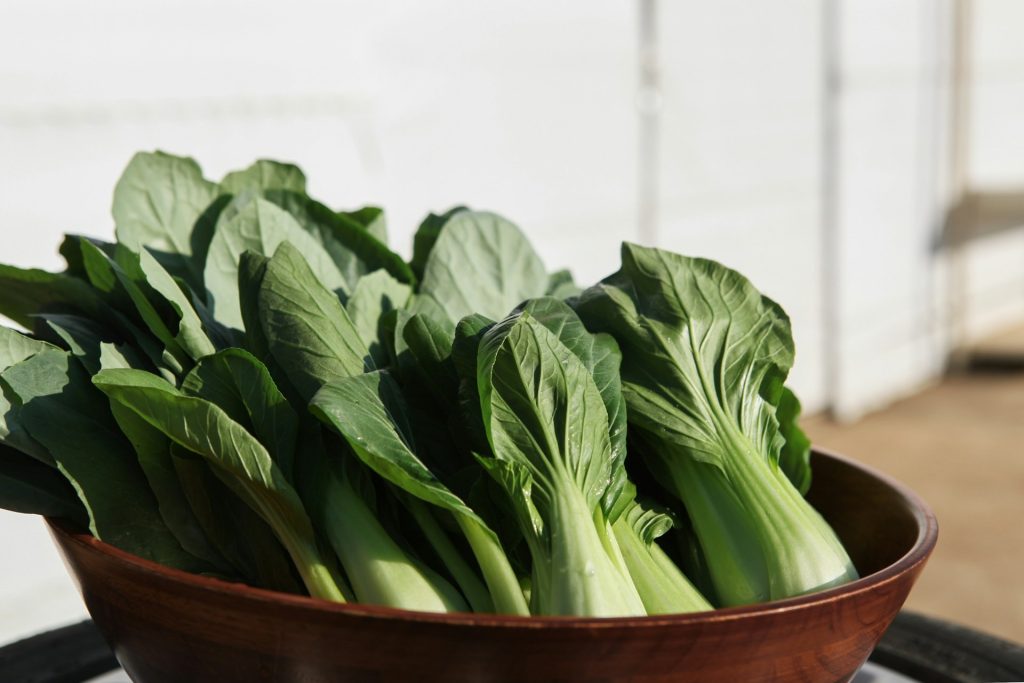
Asian Greens
Asian greens are cool-season crops that thrive in colder temperatures. In milder climates, their growth can extend well into winter.
Here are some of the best varieties to grow:
- Tatsoi
- Mibuna
- Komatsuna
Some varieties, like Gai Lan, Bok Choy and Choy Sum, can also be planted for a winter harvest, but they can only tolerate light frosts. They’re best planted 4-6 weeks before the first frost.
Days to maturity: 3 weeks for baby greens; 35-60 days for mature leaves
When to plant: 6-12 weeks before the first frost

Beets
Beets are another cool-season crop that can be grown in fall and winter, especially with protection and in milder climates.
Many varieties are frost-tolerant, including:
- Golden beets
- Cylindra
- Detroit Dark Red
- Lutz Winter Keeper
Try planting in high tunnels if you want an early winter harvest.
Days to maturity: 50-70 days
When to plant: Mid-August to early October
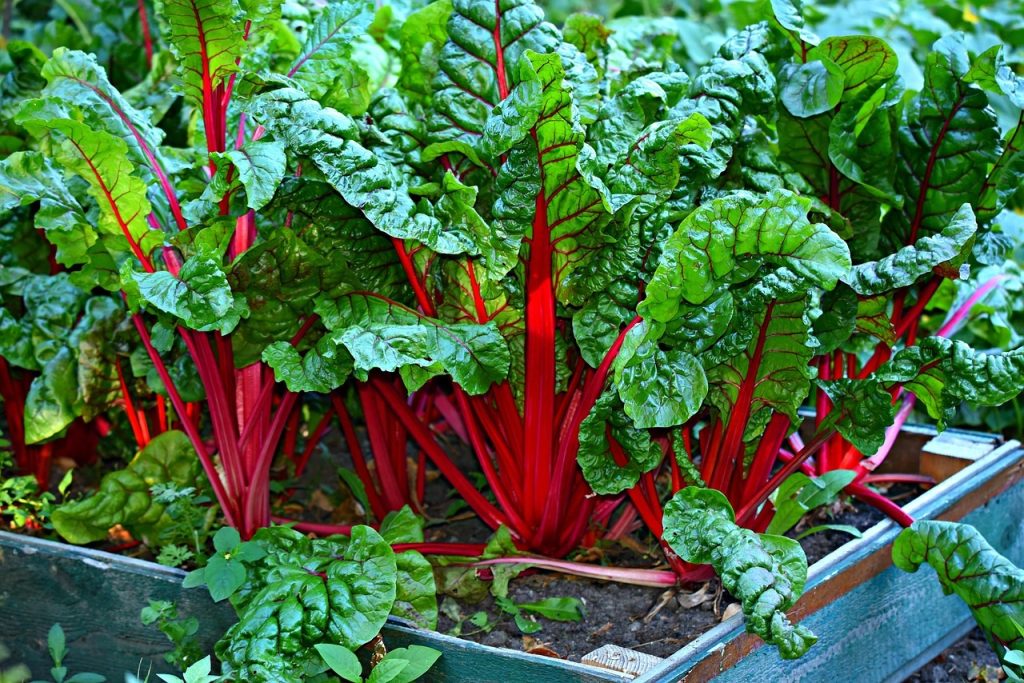
Swiss Chard
Swiss chard can survive light frosts (not hard freezes), but it’s best to grow this crop with some protection.
Some of the best varieties to grow include:
- Fordhook Giant
- Perpetual
- Rainbow
- Bright Lights
Days to maturity: 40-70 days
When to plant: 6-8 weeks before the first frost
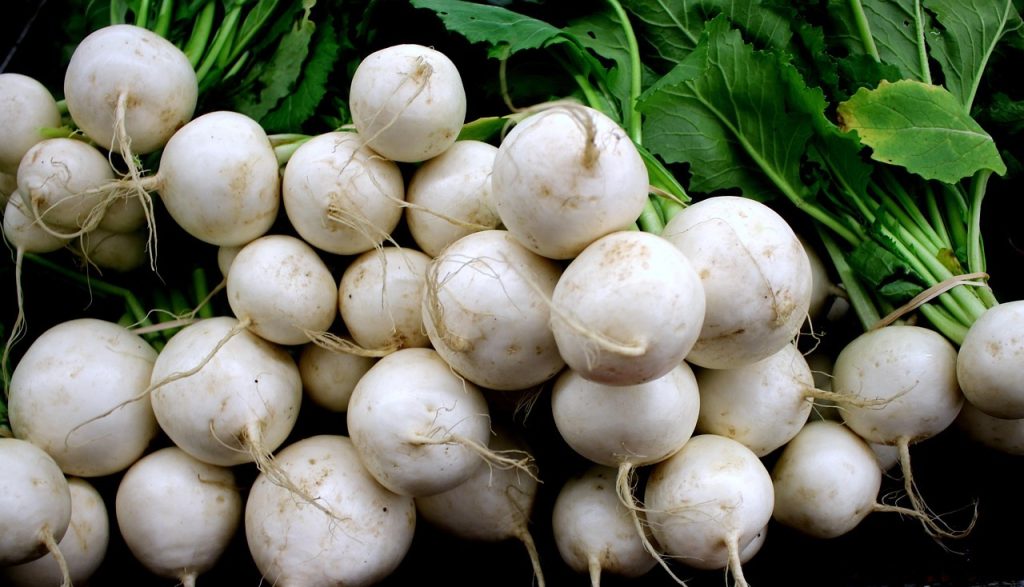
Turnips
Turnips are a tasty, resilient root vegetable that thrive in cool conditions. They’re a great addition to any winter garden.
Some of the best varieties to try include:
- Purple Top White Globe
- Hakurei
- Golden Ball
- Just Right
Look for varieties that are quick-maturing or labeled as “storage” or “winter” turnips.
Days to maturity: 40-60 days
When to plant: Between late August and mid-October (8-10 weeks before the first frost)
How to Protect Winter Garden Plants
While there are varieties of plants that can tolerate frost and cold winter temperatures, your winter garden will be much more successful if your crops have some protection.
The good news?
You have so many different options in this department.
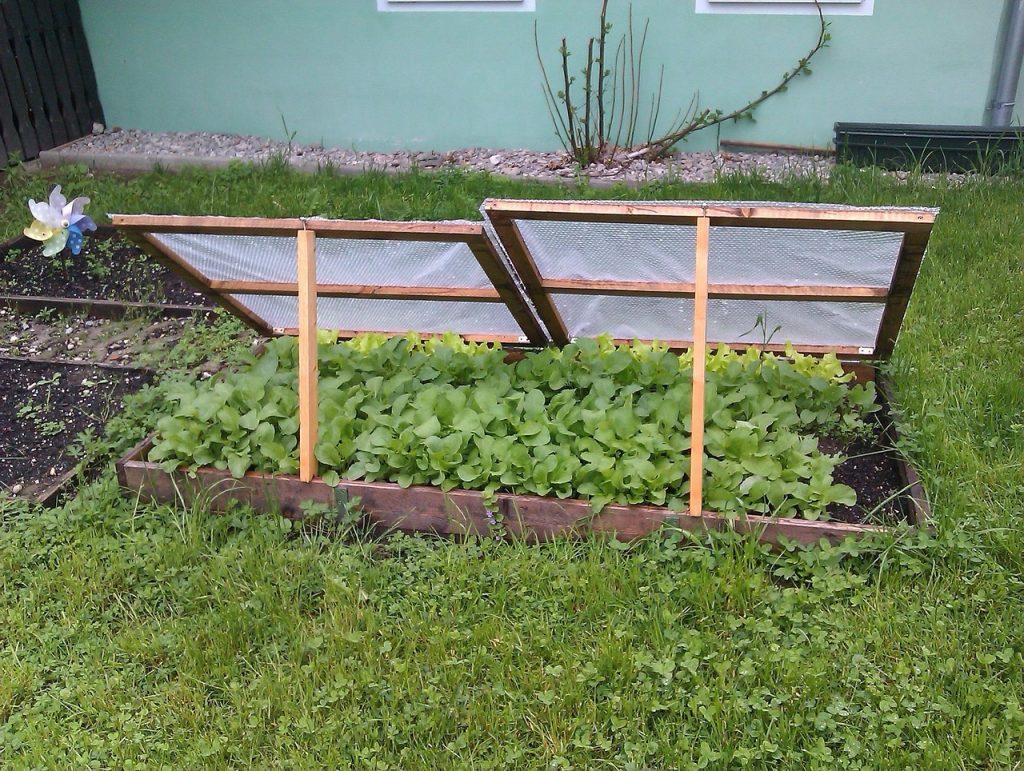
Cold Frames
Cold frames are a great way to extend your gardening season well into winter, or even year-round.
These simple bottomless boxes have removable glass or plastic lids that protect plants from wind, snow, rain and low temperatures. This added protection creates a microclimate that’s a full zone or zone and a half warmer than your garden.
Cold frames are designed so that the back of the frame is higher than the front to catch the slanting winter sun.
If you have old storm windows l
ying around or if you can salvage some, you can make your own cold frames.
But there are also some great pre-made options available for a few hundred dollars.
One important thing to consider here is ventilation.
If you don’t manage your cold frames, they can quickly become hot boxes that cook your plants before you get a chance to harvest them.
To keep your frames below 60°F during the day, you can:
- Open the frames a little, OR
- Install temperature-activated ventilating arms to do this for you
Another thing to note: cold frames are only suitable for growing cold-tolerant plants. Don’t plan to grow summer vegetables in them. Things like carrots, beets, greens and other cold-season plants are best.
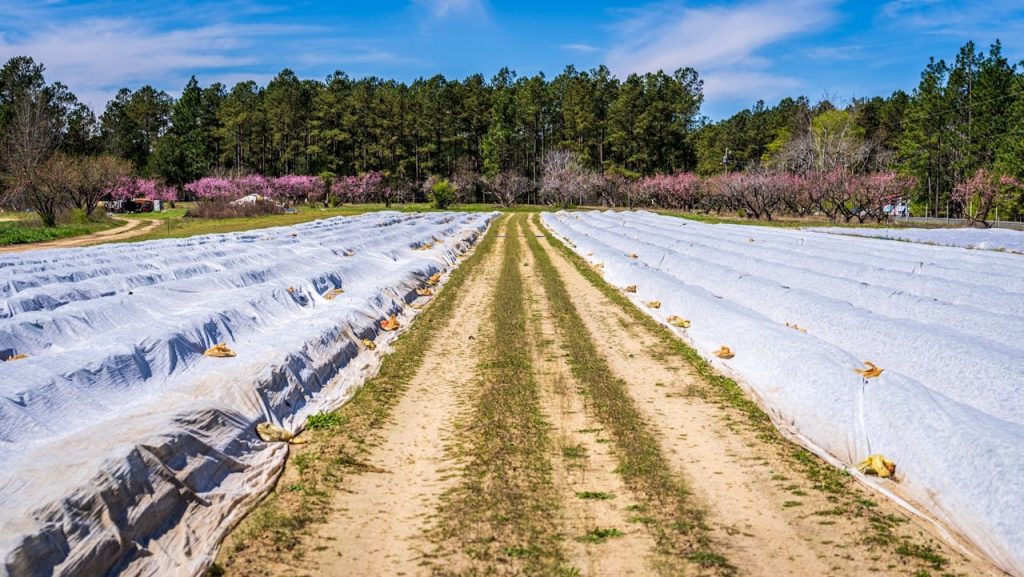
Row Covers
Row covers are a simple way to give your plants protection from the cold. They’re not quite as effective as cold frames, but if you live in a milder zone, they can easily extend the growing season into the winter.
Think of them as blankets for your plants. You lay them over your crops to shield them from harsh weather.
Row covers come in a variety of weights:
- Lightweight options allow more light transmission, but also offer less frost protection.
- Heavier weight options provide more frost protection, but at the cost of less light transmission.
If it gets particularly cold at night, a heavier cover may work best to protect your crops.
Row covers work best with hoops to give your plants room to breathe. Many growers remove their covers during the day to maximize daylight and cover them at night, but your routine will depend on your local climate.
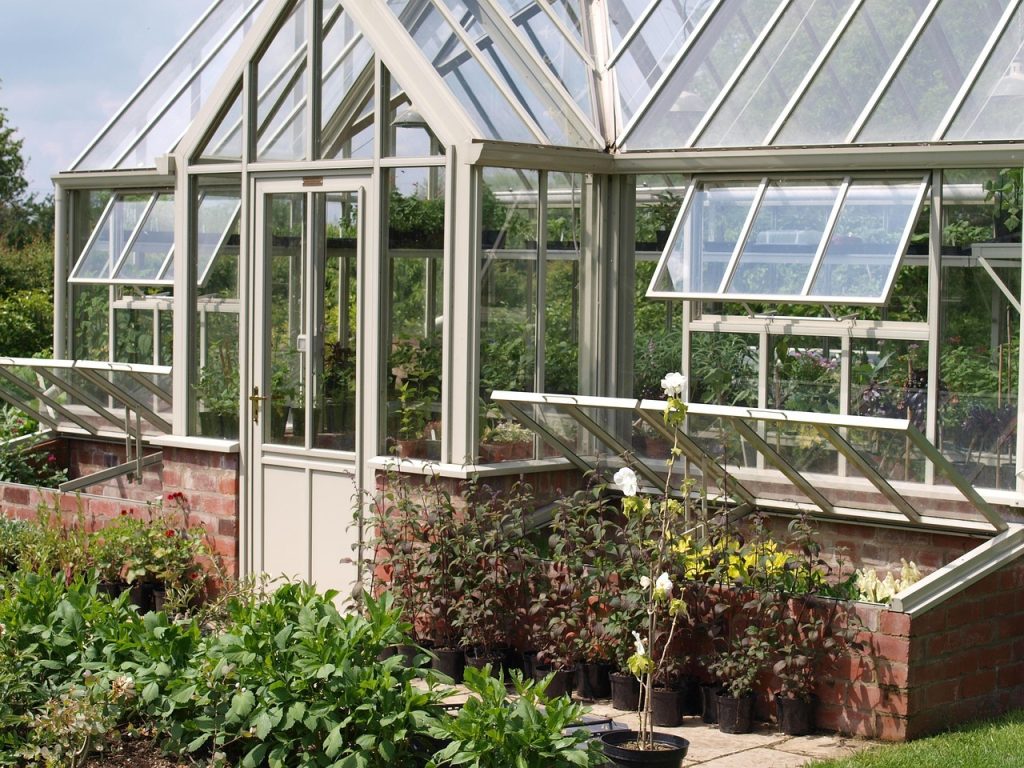
Greenhouses
If you have the budget, you can take your winter gardening to the next level with a greenhouse.
Like cold frames, greenhouses create their own microclimates, and depending on the type you choose, you may be able to garden year-round.
You have lots of options in terms of sizes, styles and types. But the first thing you need to decide is whether you want a heated or unheated building.
Heated Greenhouses
As you may have guessed, heated greenhouses use gas, electric or infrared heaters to maintain a specific temperature. These heaters are typically connected to a thermostat.
A heated greenhouse allows you to:
- Maintain precise and stable temperatures to protect sensitive plants
- Cultivate plants year-round
- Grow a much wider variety of crops
The only downside? They cost more to build and maintain.
If you’re looking for more economical ways to heat your greenhouse, The Prairie Homestead has some great suggestions.
Unheated Greenhouses
An unheated greenhouse uses the sun’s energy (which passes through the transparent covering) to heat the space.
Because there’s no reliable heating system, internal temperatures fluctuate significantly and will be highly dependent on outdoor conditions.
At night, temperatures can easily drop to near or below freezing if there’s a severe cold snap. In fact, an unheated greenhouse may only be 3.5°F to 5°F warmer than the outside.
For this reason, these types of greenhouses are best for hardy and cold-tolerant plants.
The good news? Unheated greenhouses have lower initial and operating costs because you don’t have to worry about heating bills.
Don’t Make These Winter Gardening Mistakes!
- Planting too late in fall: Aim to plant at least 4-6 weeks before your first frost.
- Not providing adequate protection: If you’re using row covers, make sure they’re heavy enough to protect against frost.
- Overwatering in cold weather: Plant metabolism slows down in the cold season, so plants need less water. Overwatering can suffocate roots, leading to root rot. Only water when the top inch or two of soil is completely dry.
- Choosing wrong varieties: Some plant varieties are more cold tolerant than others. Choose plants that are rated for your USDA Hardiness Zone (or one zone colder for added insurance).
The Takeaway
Winter gardening is absolutely possible, but it’s important to plan ahead and have realistic expectations – especially if you live in a zone with harsh winters.
Be ready to plant in late summer, and don’t be too fussy. Your plants will need less water and fertilizer in the cold months.
Try starting small with easy crops, like greens or root veggies, to enjoy a harvest long after other gardeners have hung up their tools.