Here’s how to grow basil in a raised bed and enjoy a harvest all season long.
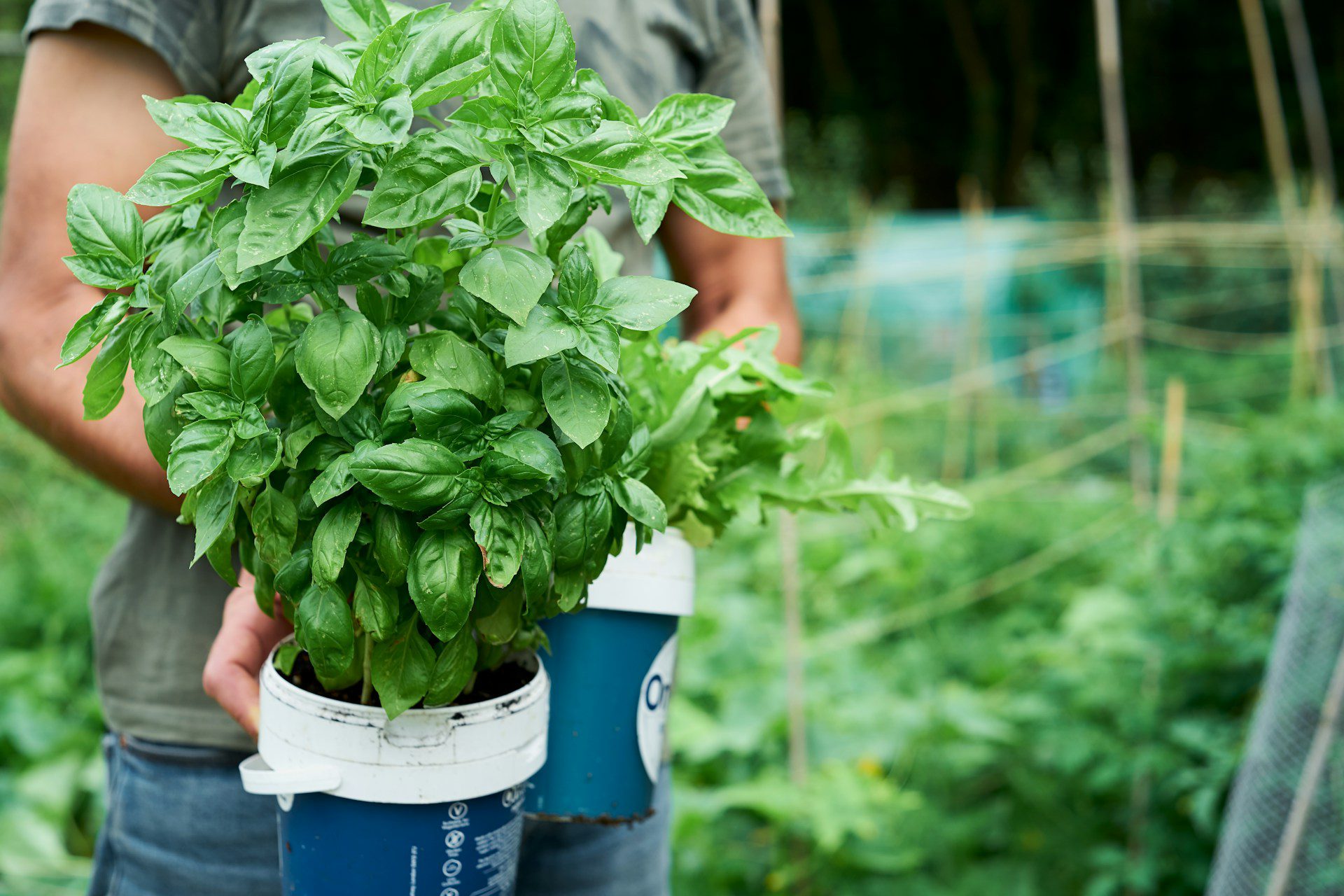
Basil was actually the first thing I grew on purpose in my raised bed. I knew nothing more than the fact that this aromatic herb wants warmth, sun and soil that doesn’t hold onto water like a sponge. To my surprise, I wound up with a basil tree and more leaves than I knew what to do with.
To say that basil is easy to grow in a raised bed is an understatement, but you still need the right conditions. I’m going to share what worked for me and some tips for using and storing your harvest.
But first, I want to answer an important question:
How Long Does it Take for Basil to Grow?
If you’re wondering how long it takes for basil to grow, the short version is that you’ll have baby leaves ready to snip within about three to four weeks of germination. In six to eight weeks, you should have a full, bushy plant.
It’s one of the more rewarding herbs you can grow, which is part of why it’s such a satisfying crop for a raised bed.
Planning Your Basil Bed
Basil loves the sun, so pick a spot in your raised bed that gets a full 6 to 8 hours of direct sunlight a day.
This herb also plays nicely with many other crops, so it makes an excellent companion plant. Tomatoes and basil are the classic pairing, not just in the kitchen but in the garden, too. In fact, many gardeners believe basil helps repel aphids and whiteflies that bother tomato plants. Peppers are another good neighbor, since they share basil’s love of heat and sun.
I encourage you to keep these two considerations (sunlight and companions) in mind when you plan your raised bed layout.
But you’ll also want to make sure that you give each basil plant 8 to 12 inches of breathing room. After I had such success with my first basil crop, I got so excited the next year that I crowded them, thinking more plants meant more pesto. That didn’t work out well. I wound up with diseased basil plants that just lopped over and died.
Spacing them properly actually gets you more usable basil in the end, not less, so don’t make the same mistake I did.
How to Prepare the Soil for Your Basil Plants
Basil prefers well-draining soil that’s nutrient-rich. Aim for a pH range of 6-7 for best results. Working in some compost and using a balanced organic fertilizer can give you an even higher yield, but I’ve had a lot of luck with compost alone.
Compared to vegetables like asparagus or carrots, basil has a shallow root system. They don’t need quite as much soil depth, so if you have just a 6-8-inch bed, you can still grow plenty of basil.
How to Plant Basil in Your Raised Bed
Basil LOVES the heat, so as tempting as it may be, you never want to plant when the soil is still cold. Why? Growth will stall out or turn the leaves a shade of purple-black. I’ve learned to just stick a soil thermometer in the bed before I plant anything. If it’s not consistently above 60°F, I wait, no matter how eager I am to get basil going.
Here are a few other things to keep in mind:
- Wait until all danger of frost has passed to plant. Basil is really sensitive to frost and one cold night can undo weeks of growth.
- If you’re direct seeding, sow about a quarter inch deep. Then, thin seedlings to that 8 to 12 inch spacing once they’ve got a couple sets of true leaves.
- If you’re using nursery transplants, harden them off gradually over about a week before you put them in the ground. Give them a few hours of outdoor exposure at a time before you commit to leaving them out full-time.
Don’t forget to water thoroughly after planting, and keep the soil consistently moist while the roots establish over the following couple of weeks.
Keeping Your Basil Plants Alive
In my experience, basil is pretty easy to grow and keep alive. But you can’t just leave it to its own devices.
This plant likes consistent moisture, but don’t overdo it. Water deeply, but let the top inch of soil dry out a bit between waterings.
Here are my tips for maintaining your plants:
- Morning watering is best. It gives the foliage time to dry out before evening, which reduces the risk of fungal issues that can pop up.
- If your basil looks droopy in the early afternoon heat but perks back up by evening, don’t panic. It’s just heat stress, and not necessarily a sign you need more water.
- A light, regular feeding schedule works better than one big dose of fertilizer. I feed mine every two to three weeks with a diluted organic fertilizer, and mulch around the base with a thin layer of straw. The straw helps retain moisture and keeps the soil from splashing up onto the lower leaves during watering.
Don’t let your plants dry out too much. Basil can tolerate some dryness, but it won’t last long if you skip a few waterings in a row.
How to Prune and Harvest Your Basil Leaves
After my first successful basil “tree,” the next year, I wanted to grow my plants even bigger. I thought that in order to do that, I needed to let my plants be for a while. So, I fought temptation and waited…and waited to harvest some leaves.
But that was a HUGE mistake.
As it turns out, the key to a big, bushy and productive basil plant is to pinch it back regularly right above the leaf node. And you should start pruning once the plant has about six to eight leaves.
Each time you pinch off a leaf, the plant responds by sending out two new stems instead of just one. So, consistent light harvesting actually gives you a bigger yield in the long run (more pesto for me!).
Whenever you harvest some leaves, keep an eye out for flower buds. Once they start forming at the top of the stems, pinch those off, too. Once basil flowers, it focuses its energy into seed production instead of leaf production.
I check my plants every few days at the peak of summer and nip any buds before they open. This keeps the leaves tasting sweeter for much longer and your plant productive.
Common Problems with Raised Bed Growing + What to Do
Fungal Issues
Raised beds have so many advantages when growing basil, but there are some things you want to watch out for. With basil, the biggest issue I’ve found is that humidity can sometimes get trapped around the plant’s lower leaves, especially if they’re too crowded.
That invites fungal issues like fusarium wilt and downy mildew. Good spacing and morning watering can help prevent both of these issues.
Pests
Japanese beetles and aphids sometimes show up to munch on basil. A strong spray of water usually knocks aphids back. Japanese beetles should be picked early in the morning if you have a light infestation
Check your mulch for slugs and snails. They can wreak havoc on your pants, too.
Nitrogen Deficiency
If you start seeing yellow leaves and slow growth, this usually means that there’s a nitrogen deficiency.
The good news? This is easily corrected with your regular feeding schedule.
Basil Varieties for Raised Beds
Did you know that there are many different varieties of basil?
Some are better than others for raised beds. My go-to choices are:
- Genovese. The classic choice for pesto and general cooking.
- Pistou or Spicy Globe are great options if you’re short on space, as these are more compact varieties. They stay tidy and full without spreading too far.
- Prospera or Rutgers are downy mildew-resistant varieties that are great options for hot, humid climates.
- Thai and lemon basil varieties are fun specialty options if you want to expand beyond the standard Italian flavor.
I also love to plant purple basil and add it to my flower bouquets. This is the only variety I allow to flower, and the buds smell AMAZING.
Tips for Using and Storing Your Harvest
Basil is most flavorful right before it starts to flower and when it’s harvested in the morning after the dew has dried.
Don’t wait until midday to harvest.
Fresh sprigs will keep for about a week if you keep them in a glass of water on the counter. Just make sure that you keep them away from direct sunlight.
For longer storage, I like to freeze chopped leaves in olive oil in ice cube trays. You can also just make pesto and freeze it, dehydrate the leaves in a dehydrator or hang them to dry out.
If you need a trusty recipe for basil, here’s my favorite one:
Final Thoughts
Now that you know how to grow basil in a raised bed, it’s time to get started. Find a variety you love, and give it a go.
Basil is a rewarding plant to grow, and it’s one of the more forgiving herbs for beginners. I’ve found that they thrive in raised beds compared to in-ground planting, and they pair well with so many plants.
If you have the space, you can easily keep your plants producing all summer without too much work or drama.